When Science First student Divine isn’t at the Chicago Botanic Garden, she’s in her backyard, trying to use her iffy, only-works-when-it-wants-to telescope and peering into the future. Someday, she wants to be an astrophysicist and help put people into space.
As part of Science First each summer, about 40 students from Chicago Public Schools travel to the Garden by school bus from designated stops all around the city to spend up to four weeks being immersed in a free, nature-based science enrichment program. Science First inspires students in grades 8 to 10 who come from backgrounds underrepresented in science to pursue careers in STEM—science, technology, engineering, and math.
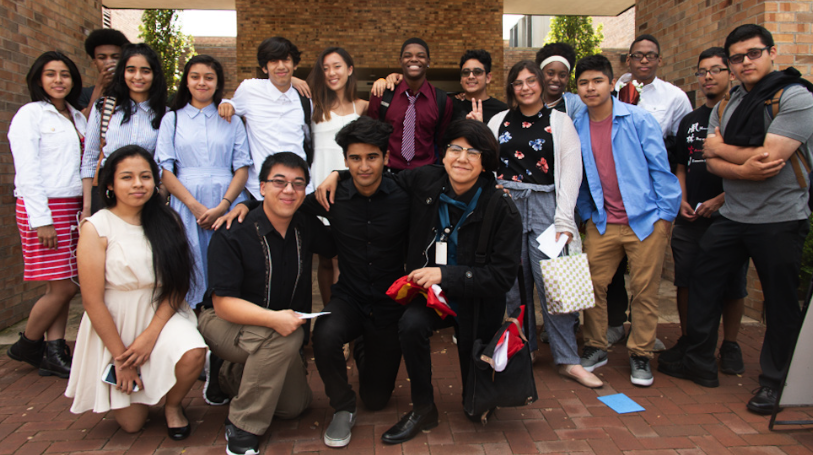
The 2018 Science First class
Divine, who is from the Chicago neighborhood of Ashburn, will be a freshman at Lindblom Math and Science Academy next year. Another participant, Alexis, who is from Little Village, begins his freshman year at Northside College Preparatory High School in the fall. Both students have a strong interest in science and were first-time Science First participants this summer.
Divine’s church youth group leader recommended that she apply to the program, which seemed a perfect fit—her interest in science is rooted in the books she read as a child. Divine has always loved reading and would sometimes get in trouble for it. The books she doesn’t want to put down even today are cosmos-related or anything about planets, stars, and galaxies. She wants to learn about how the world works on earth before learning about what’s in space.
“I like the world around me and seeing how things grow,” Divine said. “I like space a lot, but I want to know how it works down here before I learn about what’s up there.”
Alexis’s interest in science also started at an early age. He likes the rigors of science—following steps to get the results that show you what may or may not be the problem.
Last year, Alexis’s passion for procedures was ignited in his eighth-grade chemistry class, where he enjoyed doing experiments with different types of elements. These days, though, he is mostly interested in engineering.
“Before chemistry, I was interested in mechanical engineering, mostly robotics,” he said. “I feel like they can probably help us in the future, such as helping us care for our own environment.”
Alexis imagines combining a career in mechanical engineering with his interest in the natural sciences when, hopefully, robotics can someday be used to help remove or control invasive species in certain ecosystems.
This summer at the Garden, Divine and Alexis learned about issues including invasive species and climate change, and considered issues such as overpopulation and lack of food. In the process, they learned about scientific inquiry and research—tools to take away, no matter what path they choose.
The Chicago Botanic Garden’s Lenhardt Library has a wonderful rare book collection, and soon it will be able to share some of those rare gems with the world.
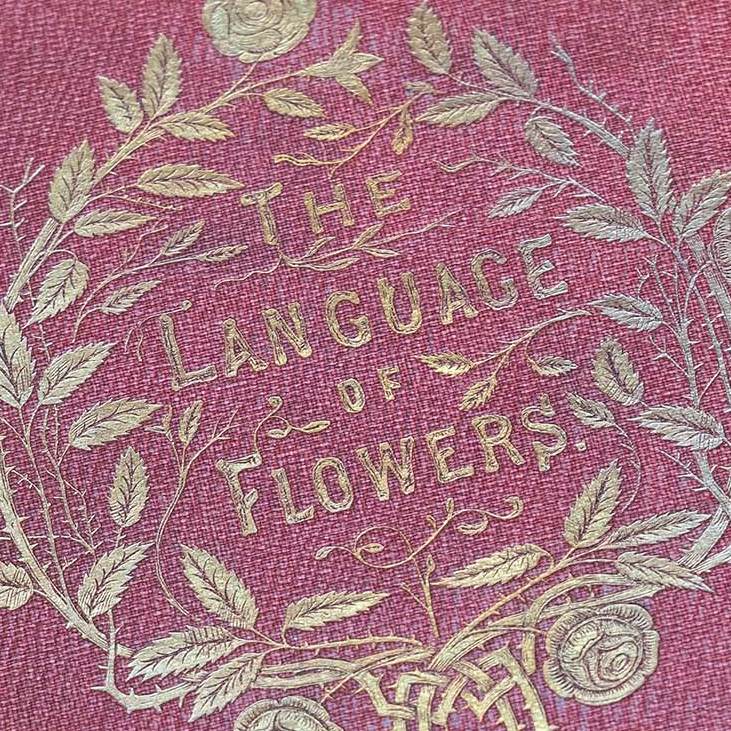
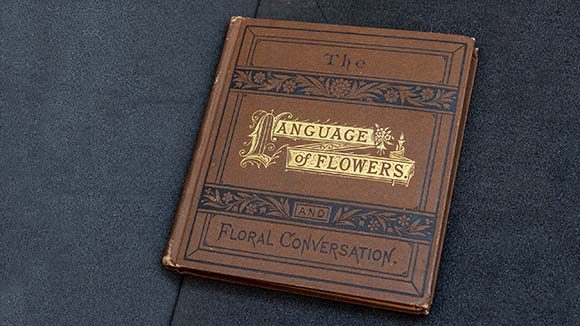
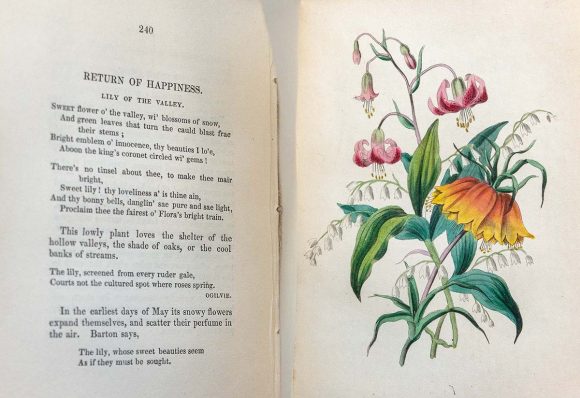
Selections from The Language of Flowers collections are being digitized and conserved with a new grant awarded by the National Endowment for the Humanities, and those selections will be uploaded to the Biodiversity Heritage Library. This work will add to the body of knowledge on the subject of language of flowers, at the intersection of art, botany, and poetry.
Some of the books in The Language of Flowers were much smaller volumes. These particular flower books filled with botanical drawings and love poems were intentionally and charmingly smaller, as the thinking at the time was it would be better to fit into a woman’s hands.Return of Happiness from The Language of Flowers, The Sentiment of Flowers; or Language of Flora, published in 1837, derived from Madame de la Tour’s Langage des Fleurs
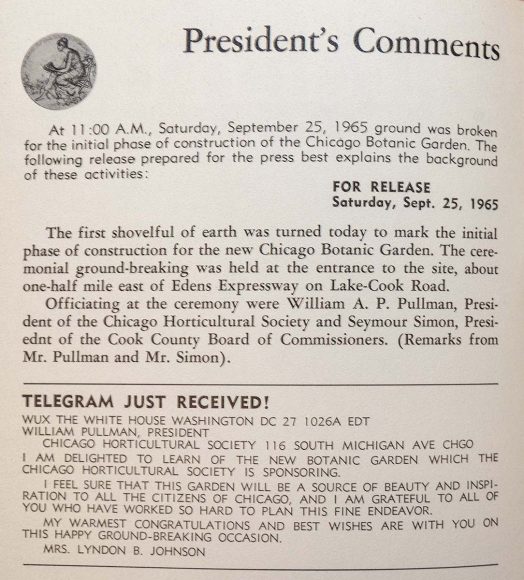
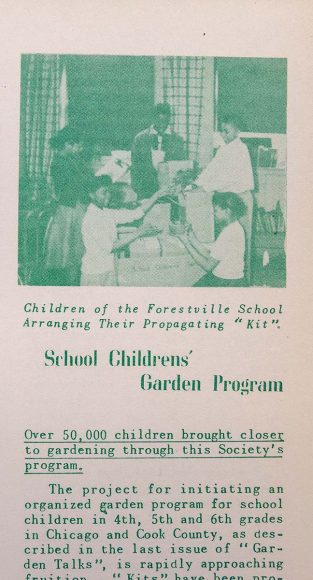
Also being digitized is Garden Talk, the Chicago Horticultural Society’s membership magazine that was published from 1945, 1953-2007. Chicago’s gardening trends and fads, techniques, and ecological strategies were all fodder for editorial content. Once digitized, the columns will be available at the Illinois Digital Archives with new grant funding from the Illinois State Library.
Garden Talk captured the Garden’s rich history. Here, we see the “official” press release in 1965 announcing the groundbreaking for the new Chicago Botanic Garden. A congratulatory telegram was sent to the Garden from Lady Bird Johnson, the First Lady at the time.Garden Talk chronicled the many activities of the Chicago Horticultural Society, including, in 1953, a school garden teaching program that reached 50,000 children.
Note: Any views, findings, conclusions, or recommendations on this web page do not necessarily reflect those of the National Endowment for the Humanities.
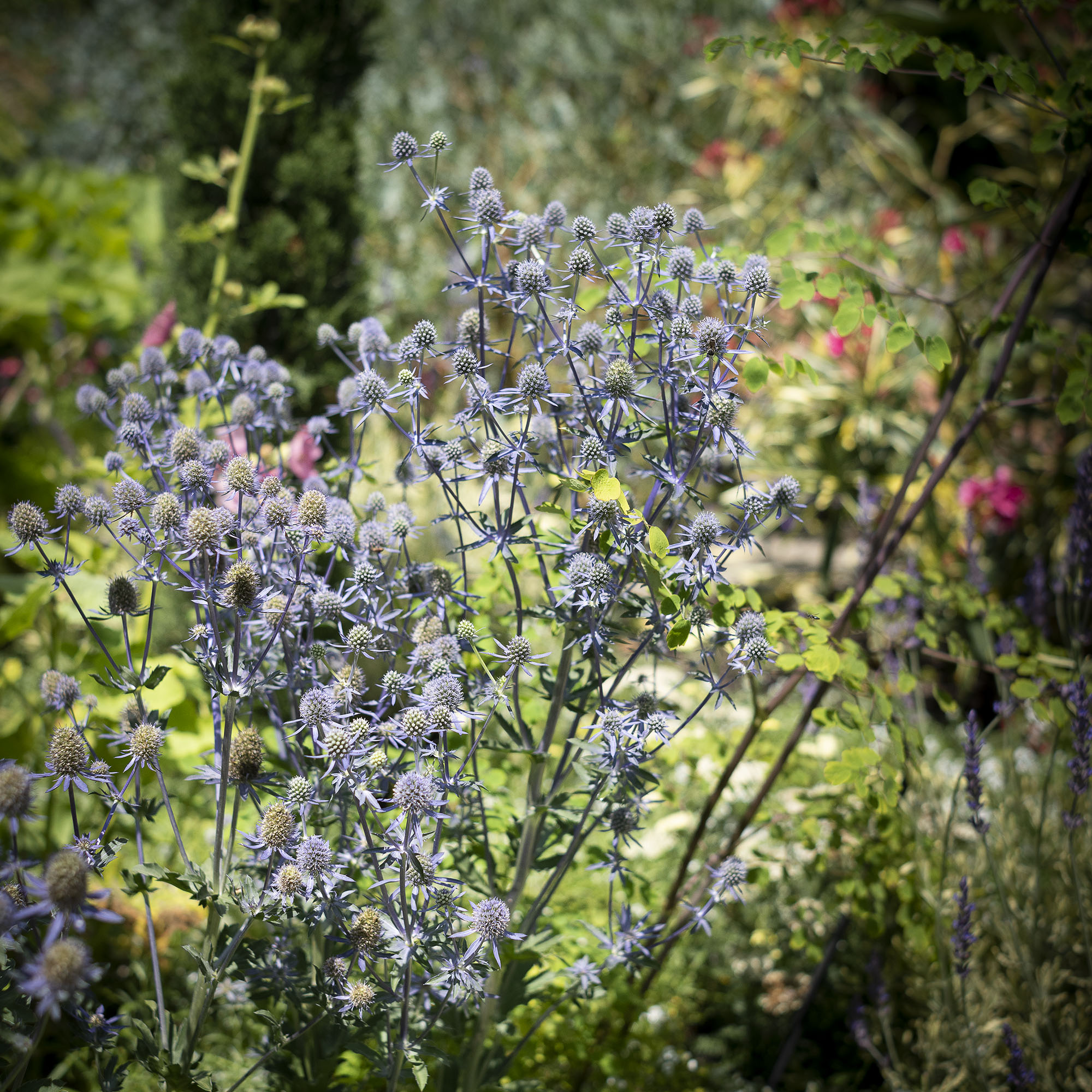
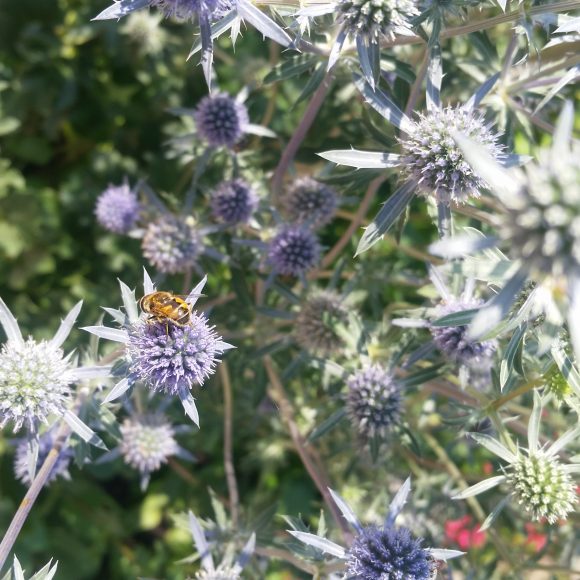
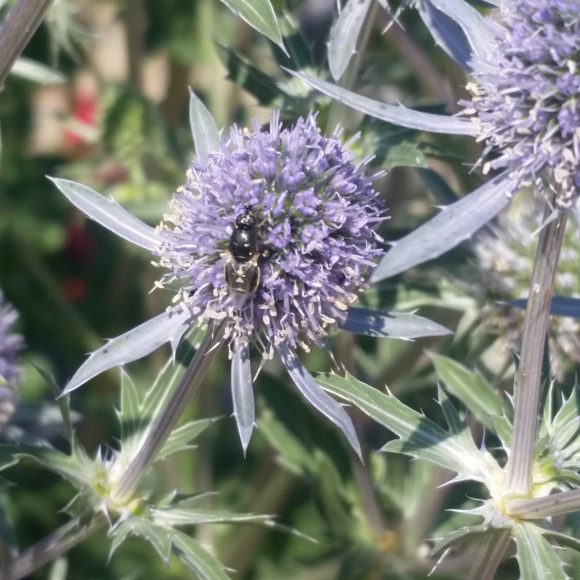
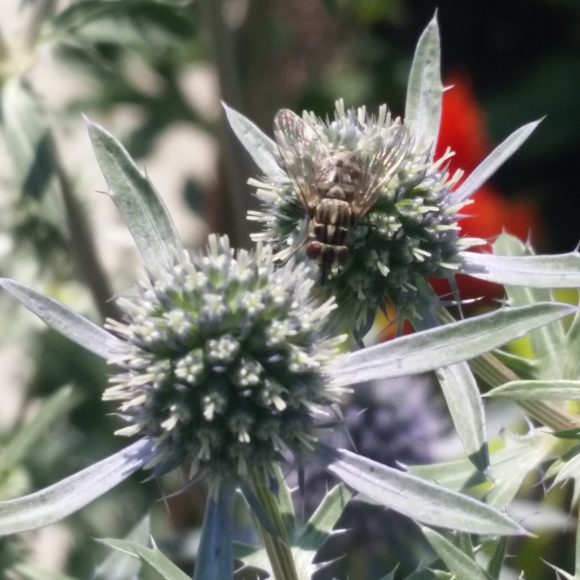
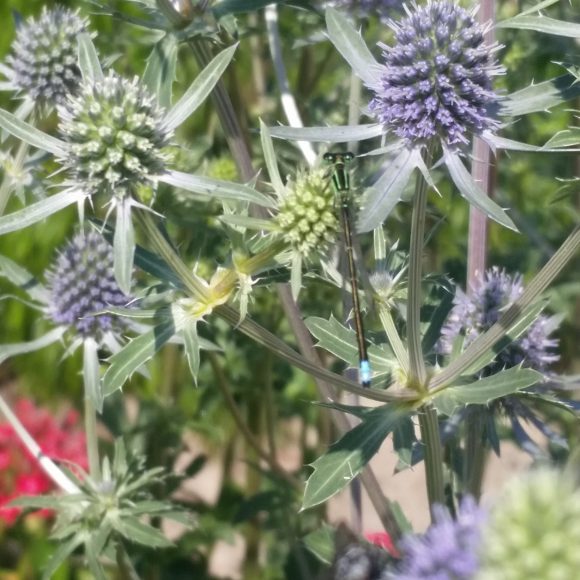
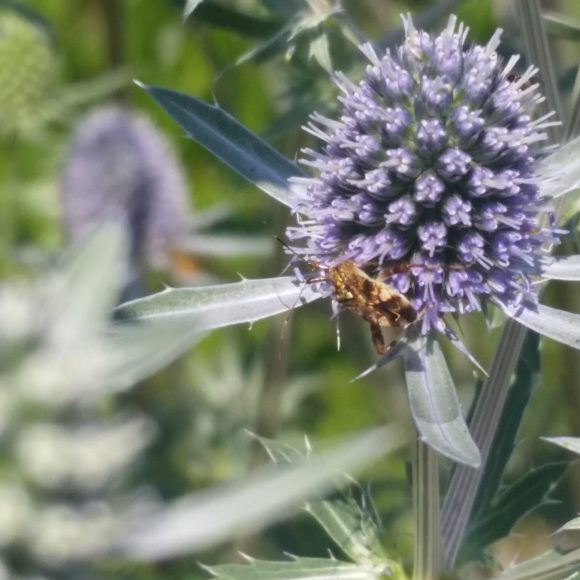
If you happened to walk around the Heritage Garden in late June, the unusual blue color of the Moroccan mountain eryngo (pronounced eh-RING-go), Eryngium variifolium, probably caught your eye, and its peculiar perfume tickled your nose. It was also swarming with flying insects.
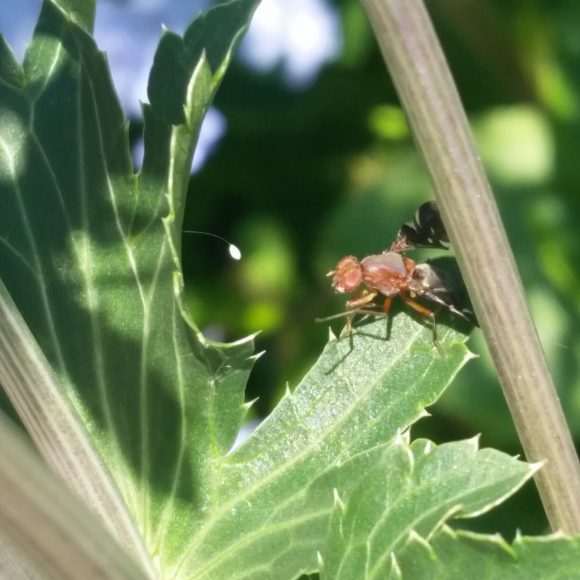
The odor was not lovely and sweet. I would describe it as similar to musty, molding fruit—not unpleasant, but certainly not a fragrance you would wear. It only lasted a few days, during which time it hosted an amazing number and variety of insects. I attempted to photograph and identify as many of them as I could. This was a lot harder than I expected, because the insects were in constant motion and most of them were small. I didn’t always capture the key features needed to identify them at the species level. In spite of this, you’ll see that that the variety was astounding. Let me introduce you to what I found at the Chicago Botanic Garden recently.
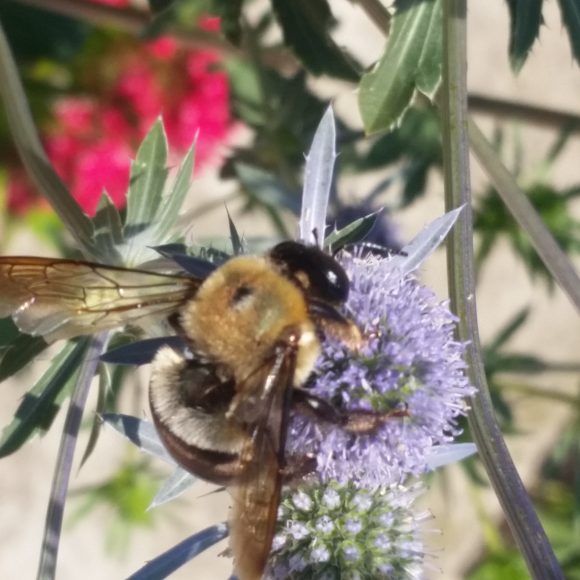
1. Carpenter bee
Carpenter bees are often confused with bumblebees because of similar size and coloring. The carpenter bee has a black abdomen and a black spot on the back of its thorax (middle section). That’s how to tell the difference.
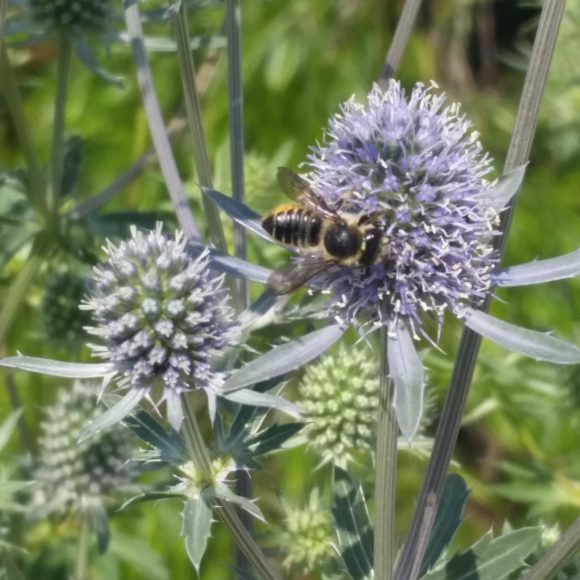
2. Mason bee
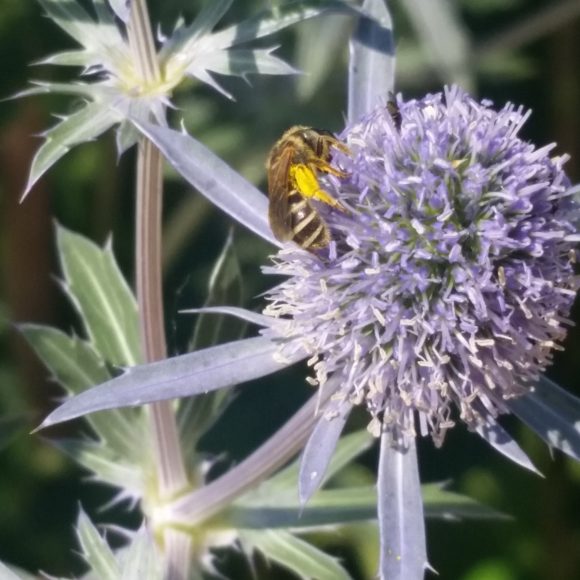
Mason bees are in the Megachile family. The are also known as leaf-cutter bees.This mason bee has filled the “pollen baskets” on its hind legs with pollen from the eryngo, and they are now swollen and bright yellow. Pollen is also sticking to the hairs on its thorax and underside. It is a good pollinator!
Carpenter bees and Mason bees are native to our region. Honeybees are not native to the United States. I saw honeybees in the Heritage Garden, but they were not interested in this flower. Honeybees tend to go for sweeter-smelling flowers.
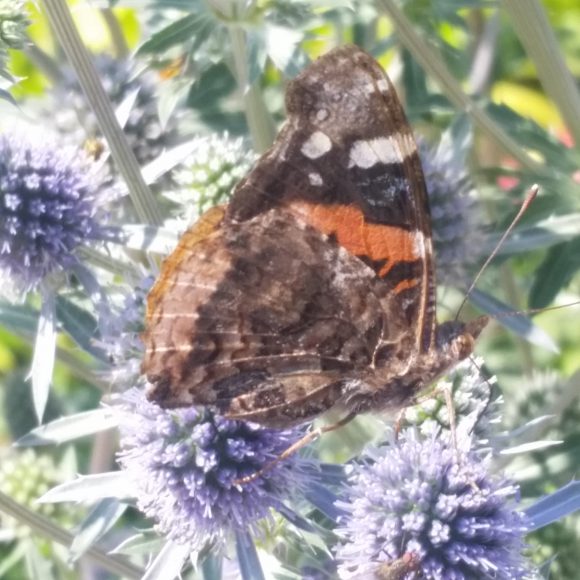
3. Red admiral butterfly
The red admiral, with its characteristic red stripe across the middle of the upper wings, is common in our area.
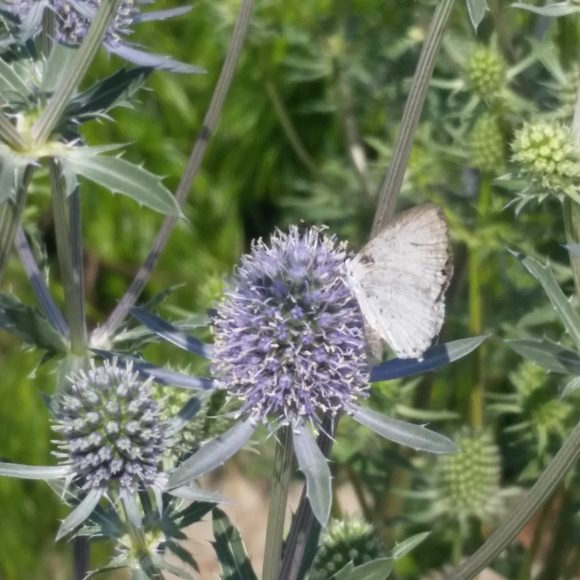
4. Azure butterfly
This tiny gray-blue butterfly is an azure. Some azures are the same blue color as the eryngo flower.
A monarch butterfly also flew overhead while I was taking pictures, but it didn’t stop by. Again, the scent of this flower isn’t attractive to all pollinators.
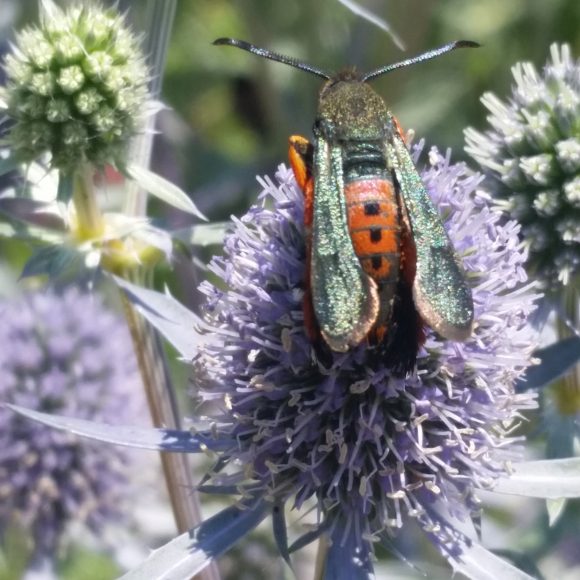
5. Squash vine borer (moth)
The squash vine borer larva can be a nuisance in a vegetable garden, but it is a beautiful and beneficial pollinator as an adult moth. Sometimes we have to resist the urge to judge our fellow creature as being good or bad.
The squash vine borer was the flashiest visitor I saw on the flowers.
6. Syrphid flies (hoverflies or flower flies)
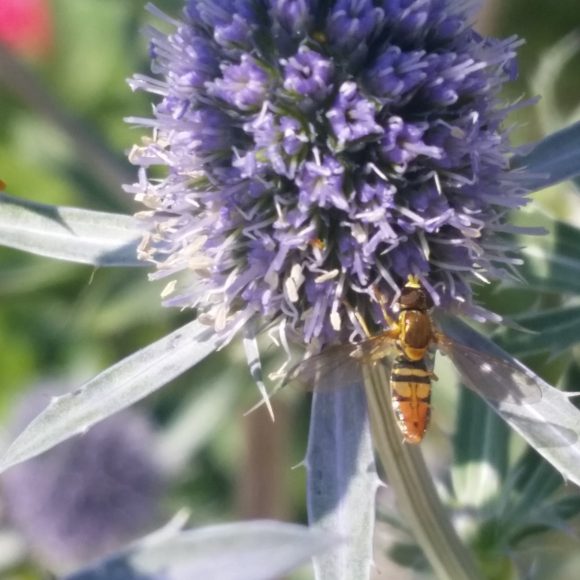
When we think of flies, we tend to think of those annoying houseflies or other pests, but there are other kinds of flies. The Syrphidae family, also known as hoverflies or flower flies, feed on pollen and therefore serve as important pollinators for many plants. I found three species of syrphid flies on the eryngo.
Flower flies resemble bees because of their yellow and black striped pattern, but this little insect bears the large eyes and short antennae that are characteristics of a fly.This syrphid is very small, only about a a quarter of an inch long. It looks a lot like the first, but it had a rounder abdomen. The pointed end is an ovipositor, so after inspection, I believe this is the female and the other may be male, so I counted them together.
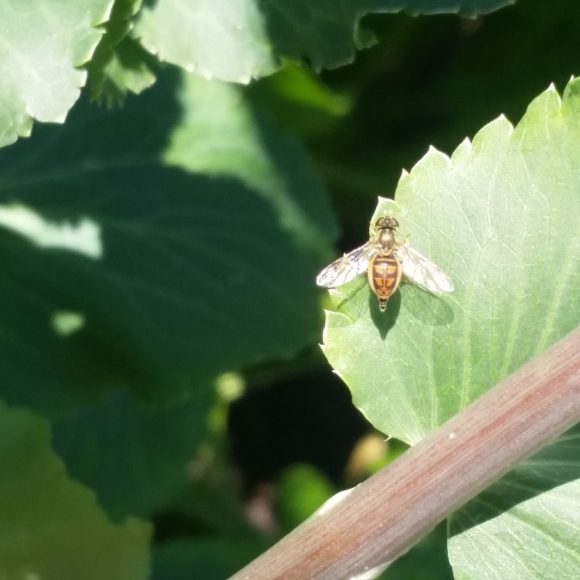
7. Another kind of syrphid fly
This syrphid fly is a little bigger and fuzzier than the previous one. It could easily be mistaken for a bee.
8. Mystery fly, possibly another syrphid
I was having a difficult time getting good picture of some of these small insects, and as a result, I didn’t get enough details to identify this half-inch-long fly with white triangles on the back of its abdomen.
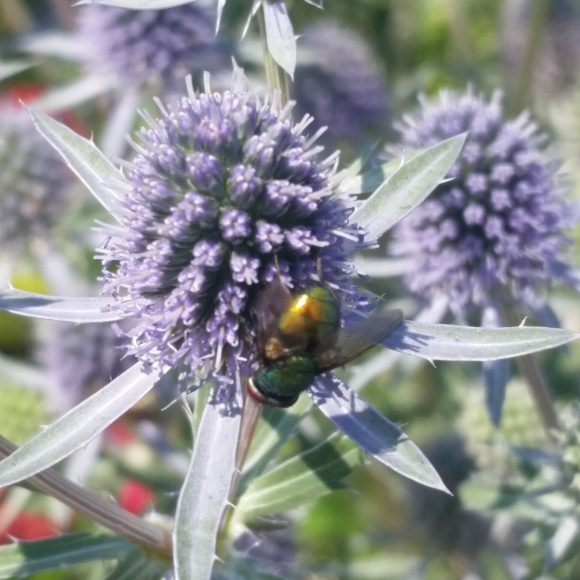
9. Green bottle fly
Houseflies fall into the family of flies known scientifically as Calliphoridae, also called the blowfly family, and they were also represented on our eryngo plant.
One view of this green bottle fly (genus Phormica) shows its iridescent green body.The same green bottle fly can bee seen with its proboscis sipping nectar from the flower in this image.
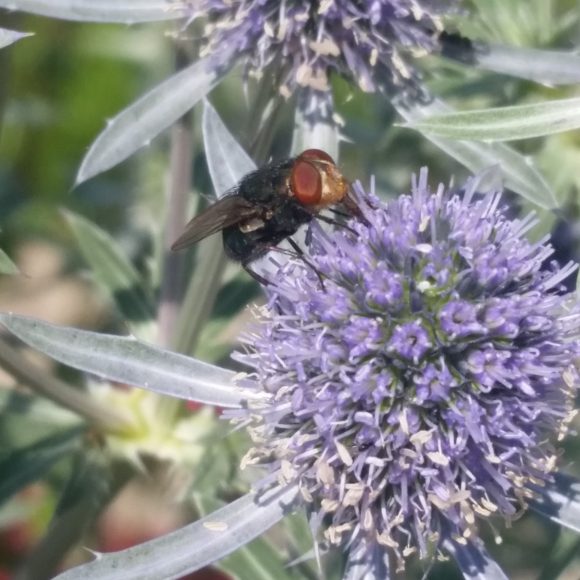
10. Cluster fly
This is the only image I got of another blowfly species, a cluster fly (genus Pollenia).
11. Tiger fly (I think)
Tiger flies prey on carpenter bees, which were feeding on the eryngo flowers, so seeing this predator around the eryngo makes sense.
I could not get a good picture of this one, because it was hiding in the shadows under the flowers. The wing pattern suggests some kind of tiger fly. Its secretive behavior is also a clue to its identity.
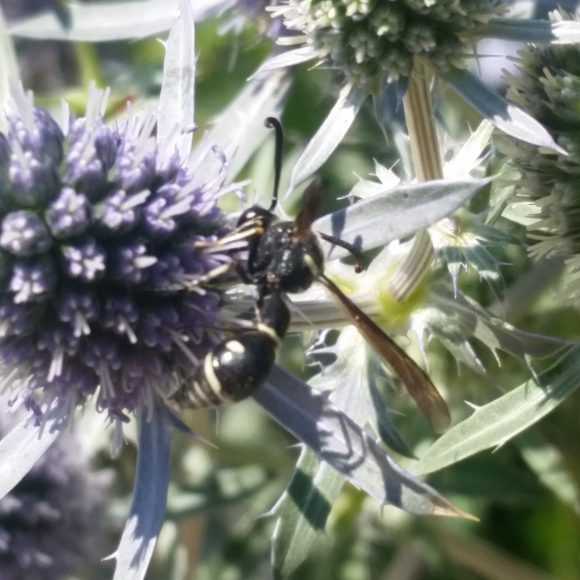
12. Vespid wasp
The wasps I observed were far too busy collecting nectar and pollen to notice me. I had no concerns about being stung.
Vespid wasps are a large family of wasps that include paper wasps—those insects that make the big paper nests. These insects live in colonies and they do sting when they feel threatened.
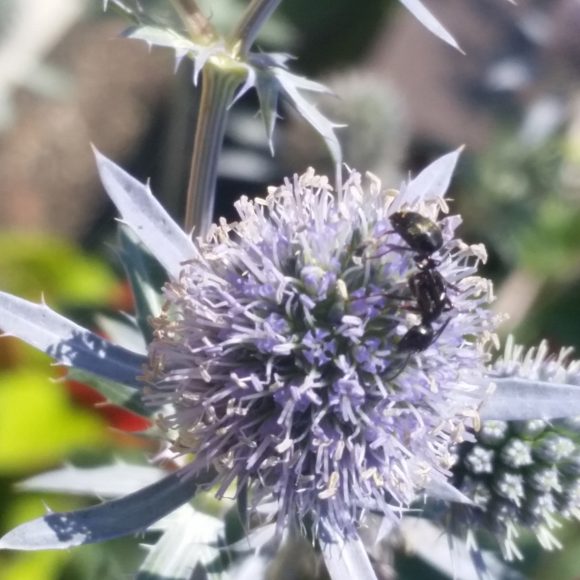
13. Black garden ant
I watched a few ants appear very determined as they walked up the stems of the eryngo, dipped their heads into the flower centers, and went back down the stem as swiftly as they arrived.
The ants must have a colony living in the ground under the Eryngo.
14. Damselfly
Where there are a lot of flying insects, there are going to be some predators. There were damselflies hovering over the blossoms, feeding on the flies, not the flower.
Damselflies are difficult to identify without getting a really good closeup of their abdomens and markings—and my picture wasn’t good enough. I believe this is some kind of spreadwing.
15. Assassin bug
Assassin bugs fall into the category of insects known as “true bugs.” I saw few assassin bugs lurking around the eryngo flowers.
Assassin bugs and their kin have piercing mouth parts that penetrate their prey and suck the juices out. This guy wasn’t there to feed on nectar or pollen.
16. A spider web
Like the damselfly and assassin bug, this spider is hanging out somewhere under the flowers to prey on the flies, bees, and other insects that happen into its web.
Spiders tend to set their traps and hide. I never saw the spider that made this tangle-web but I suspect it was well fed.
In total, I found two kinds of bees, two butterflies, one moth, six flies, one wasp, one ant, one damselfly, one assassin bug, and one spider—sixteen different bugs on this one bright, smelly plant!
The take-away from my experience is that scent is a really successful strategy for attracting pollinators. Like the titan arum, the Moroccan mountain eryngo produced a super potent blast of odor for a brief period time and then moved on to the next phase in its life cycle, which suggests that it requires a lot of a plant’s energy reserves, and may not be sustainable for a long time. This strategy works well as long as the timing of the bloom coincides with the pollinators’ need to feed and ability to get to the flowers.
I find this phenomenon fascinating. If you share my passion for plants and their relationships with insects, check out Budburst at budburst.org and find out how you can help scientists who need your observations to contribute data to their research.
There are things I look forward to seeing every season.
In spring, I watch for “mighty plants” that emerge from the ground with enough force to heave the soil above ground. These botanical weightlifters—the bulbs, grasses, and other emergent plants—pushing up soil that was compressed by a blanket of snow never fail to impress me. I am in awe of the strength of plants.
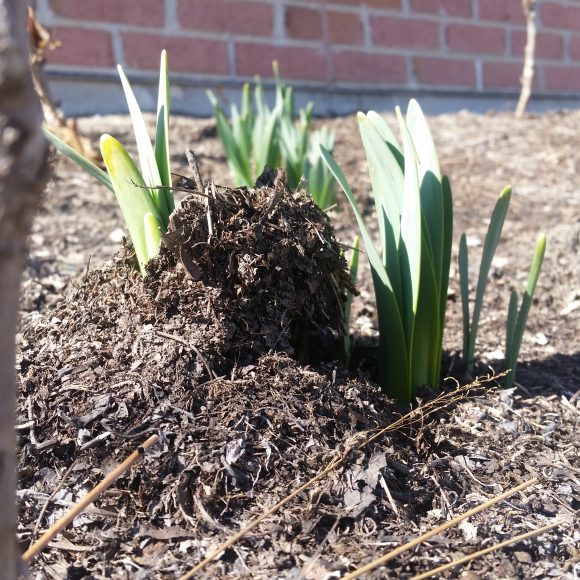
Daffodil leaves erupted from the ground in March and lifted the mulch in the beds around the Regenstein Learning Campus.
Seeing bulbs coming up all around me inspires lots of questions. I want to understand how this is possible and I want to test their strength. So I spent a few weeks playing around with this phenomenon in the Learning Center’s Boeing Nature Laboratory.
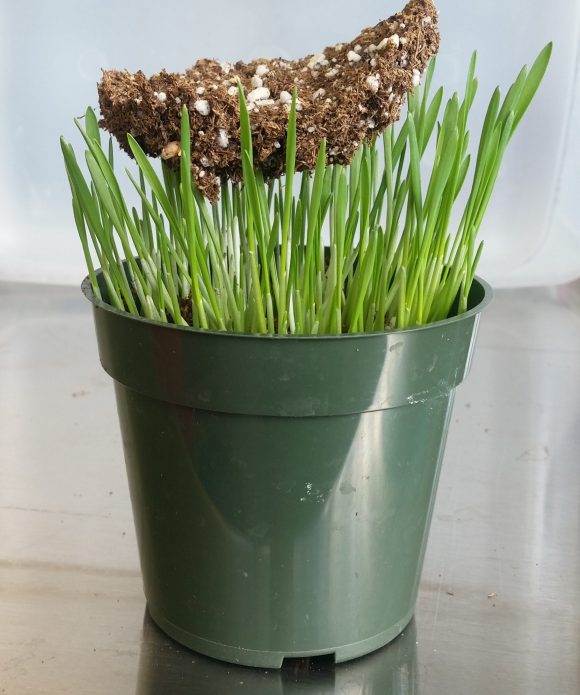
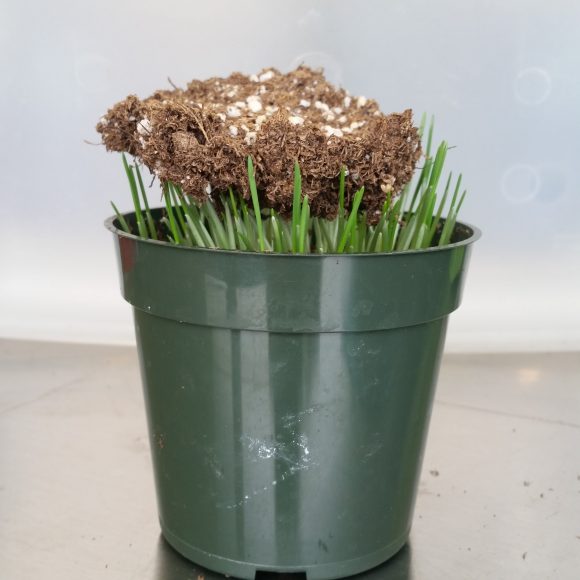
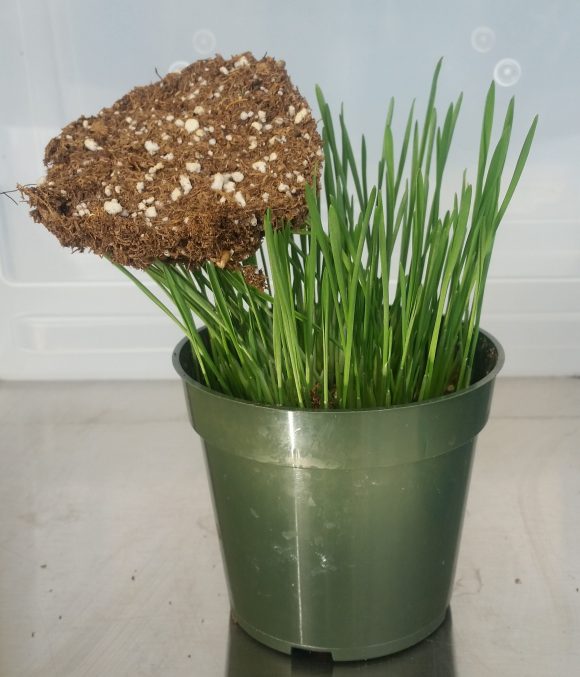
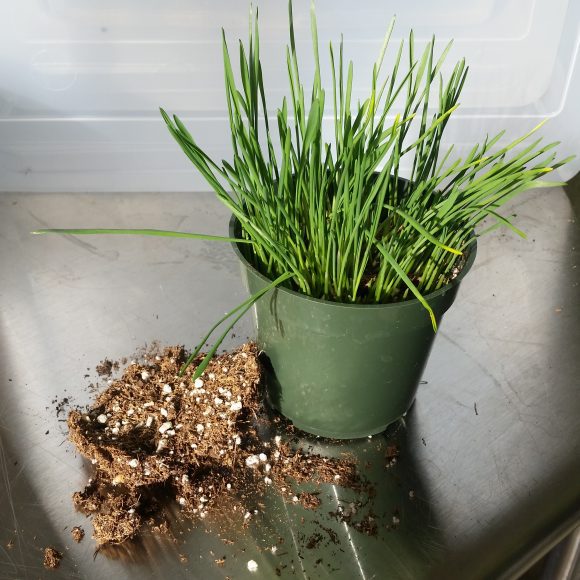
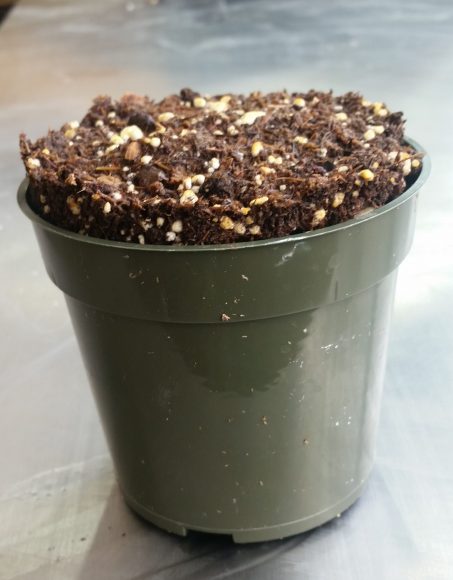
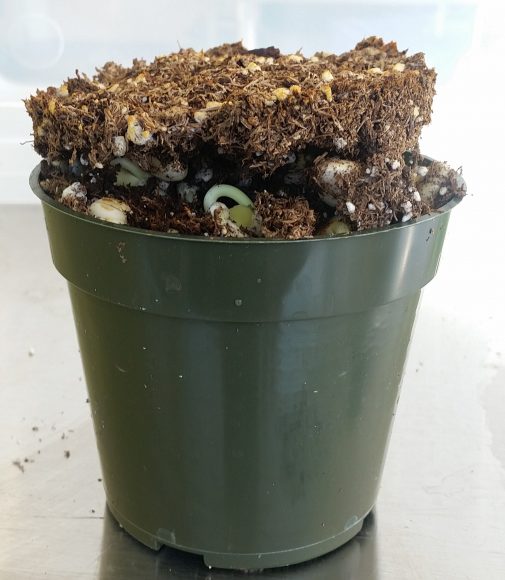
To begin, I wanted to demonstrate that seeds will lift soil in a pot. I soaked bunch of wheat seeds overnight and planted them in a pot. I covered them with a generous amount of potting soil (about a 1/2-inch layer) and I tamped the soil down gently so that it would be compressed—like the topsoil might be after a winter of snow cover. Three days later, I had results! I sprayed the soil disk to give it a little adhesion, so I could see how long it would hold together as the grass lifted it up.
Day 3 after planting the seeds: They are pushing up the compressed layer of soil.Day 4: The leaves have pushed the soil up a little more.Day 5: The soil is light and there are a lot of wheat plants, so they continue to lift the soil.Day 6: “Get off me, Soil! – Umph!”Day 7: Phew!
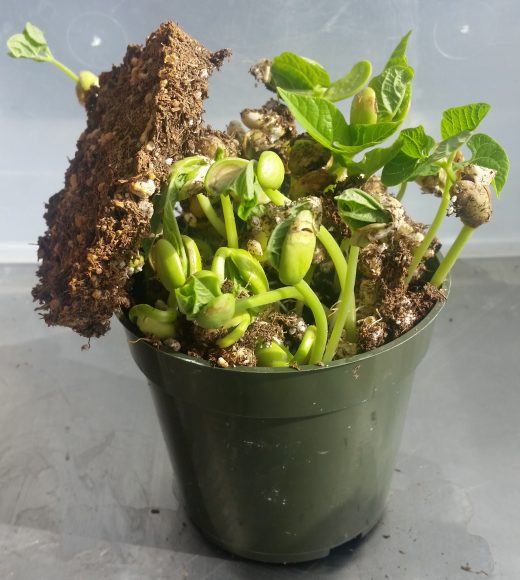
That was so much fun, I tried the same thing with a bunch of bean seeds.
Bean sprouts pushing…
…pushing…
…and bursting from inside the pot.
This demonstration was pretty easy and impressive. It is a simple activity to illustrate how plants and other living things change their environment to suit their needs (which is a disciplinary core idea in Next Generation Science Standards for kindergarten). I recommend doing it in the classroom or at home, just for fun.
This is just the beginning. I will be sharing the results in a future blog post. But before I do, I would like to make a few points about the nature of science and how scientists work.
Science is a collection of established facts and ideas about the world, gathered over hundreds of years. It is also the process by which these facts are learned. Science is both “knowing” and “doing.”
Discoveries start when you watch nature and ask questions, as I did in watching spring bulbs come up. Before beginning an experiment, scientists play. They mess around with materials and concoct crazy ideas. They are constantly asking, “I wonder what will happen if I do ___ ?” That is when discoveries actually happen.
Scientists do formal experiments with purpose, hypothesis, procedures, results, and conclusions after they think they have made a discovery. They use the experiment to test their discovery and provide convincing evidence to support it. In some cases, the experiment disproves a fact or idea, which is a different kind of new understanding about the world.
I have to agree with Boyce Tankersley, the Garden’s director of Living Plant Documentation, who recently wrote “The SciFi Rant.” Those of us who lean toward botany instead of horticulture are more interested in growing plants to yield ideas rather than meals. In my continuing investigation, I have two goals, and neither is to produce anything to eat.
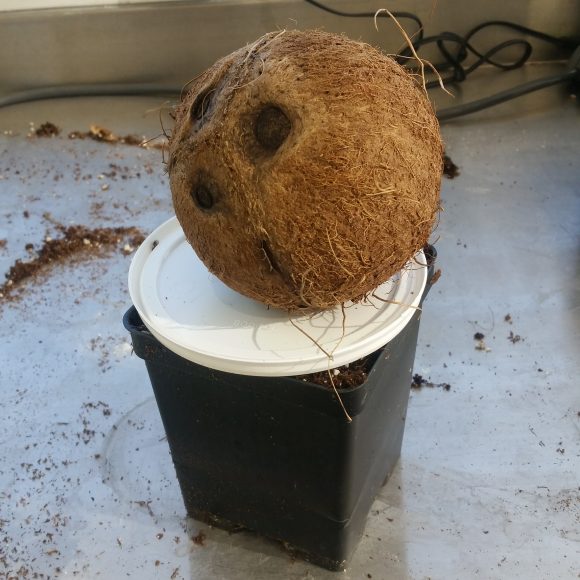
First, I want to determine the strength of sprouting seeds and see how far I can push them. For example, how many bean sprouts will it take to lift a coconut? I want to find a standard way to measure seed strength.
Second, I want to establish a reliable method for experimenting with seed strength so teachers and students can replicate the procedure, modify it as needed, and use it for their own investigations without going through the awkward phase of figuring out the best way to do this.
Will the mighty beans sprouting under this menacing coconut have the power to lift it off the top edge of a pot? Stay tuned…
Think you couldn’t name a single botanist? You probably know this one—George Washington Carver (c. 1861-1943). Born into slavery, Carver was an extraordinary American. He was a gardener, a soil scientist, an inventor, and a genius.
George Washington Carver did not seek wealth or fame for his work. He found personal satisfaction in scientific discovery and using his talents to make the world a better place for farmers and everyone. I believe if he were alive today, he would have embraced the challenge of researching and teaching people about sustainable urban agriculture to improve the health, nutrition, and livelihood of people in need, just as he did for rural farmers 100 years ago. The Garden’s Windy City Harvest grows out of that same spirit and desire.
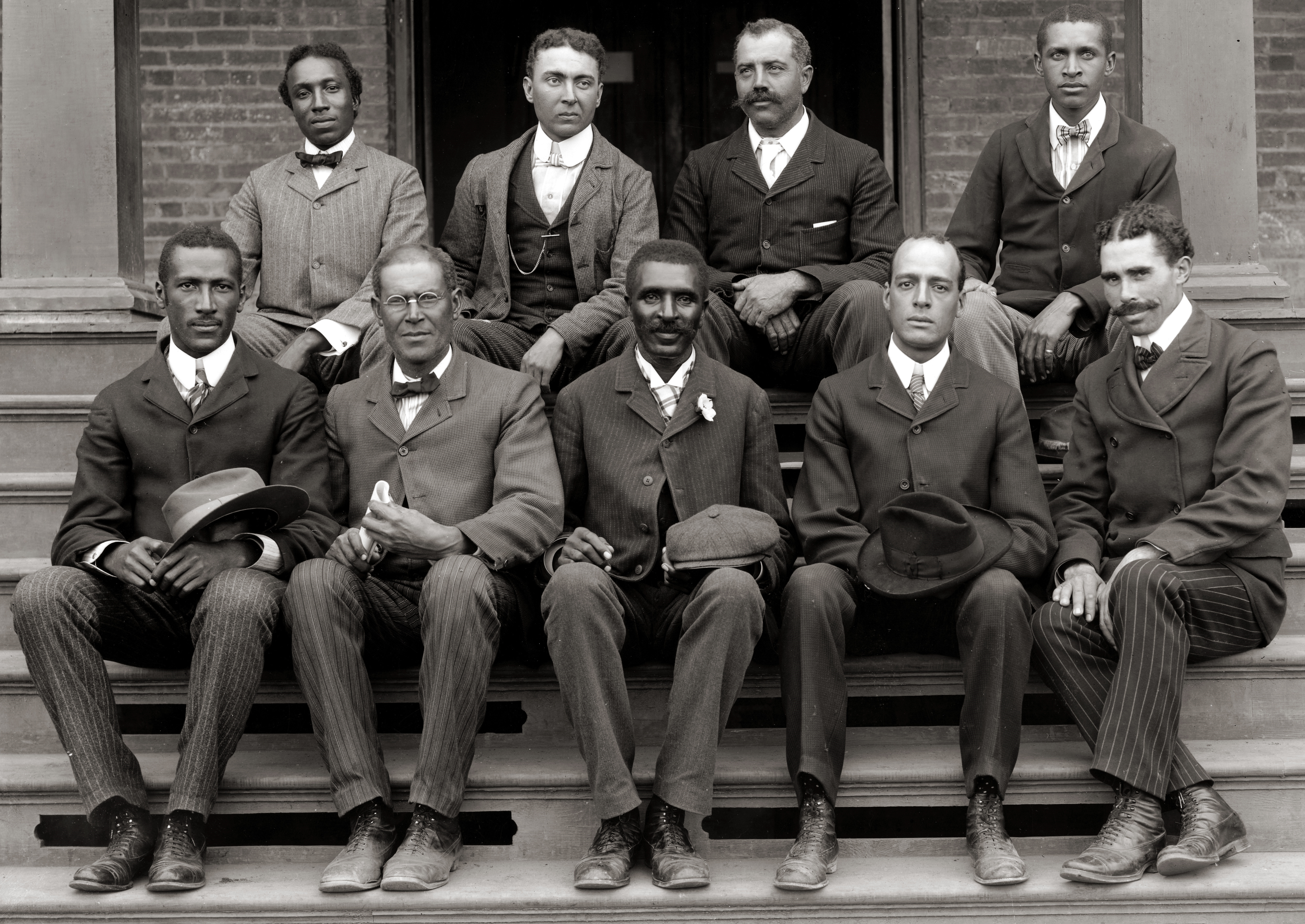
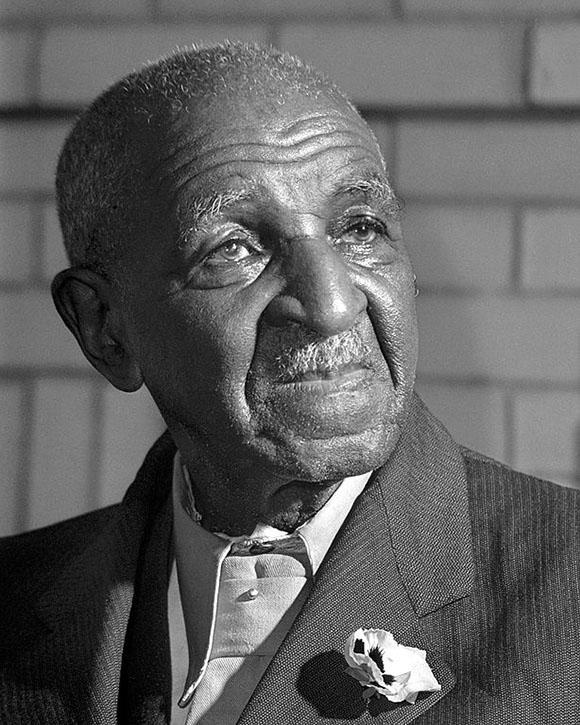
George Washington Carver (c. 1861–1943)
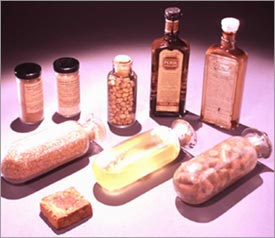
You probably know Carver as the scientist who invented dozens of products for peanuts. What’s most important about his story is why he devoted so much time and ingenuity to peanuts and how he did so much more than make a high protein sandwich spread and cooking oil.
I’m not a historian or biographer, so this story will omit details about Carver’s life—he was born in Missouri to a slave mother and eventually became a botany professor at Tuskegee University. While these details are interesting and definitely worth learning, you can read more about his life in other places—as well as the lives of other extraordinary botanists, who, like Carver are African American, but unlike him, are not widely known (e.g., O’Neil Ray Collins, a mycologist, and Marie Clark Taylor, who studied how light affects plant growth). Instead, this snapshot is devoted to celebrating how one humble scientist used his botanical superpowers to solve a real-world problem. It is a story about successfully tackling agricultural sustainability and economic stability at the same time.
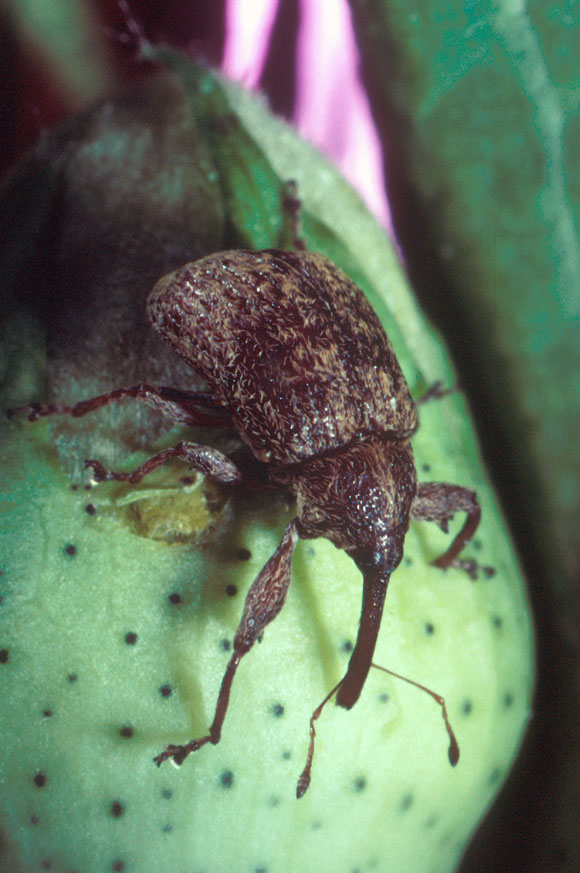
Carver grew up in the South and he knew the agricultural conditions very well. Soil in the southern states is fine and dry. Summers are long and hot. These are suitable conditions for growing cotton, a profitable cash crop. The problem is that cotton needs a lot of nitrogen. Several years of growing cotton on the same patch depletes the soil, making the crop yield less and less over time. In the late nineteenth century, commercial fertilizer was not available—and even if it had been, the poor people who worked the land couldn’t have afforded it. To make things worse, in 1892, a little pest called the boll weevil moved northward from Mexico and began invading and destroying cotton crops. The boll weevil population spread and plagued the south through the 1920s and ’30s, making the life of a cotton farmer even harder and less rewarding.
Photo by Pollinator [GFDL or CC-BY-SA-3.0], via Wikimedia CommonsCarver knew this life because he had lived it, and he wanted to make it better. He worked to teach farmers about crop rotation. Legumes (like peanuts and soybeans) and sweet potatoes have the ability to convert nitrogen from the air to a form that plants can absorb from the soil. Planting what is called a “cover crop” of peanuts instead of cotton for a year restores the nitrogen in the soil so the cotton grows better the next year. As an added benefit, diversifying crops by growing peanuts and other plants that the weevils do not eat helps reduce their population so there are fewer to harm the cotton crops. Sounds like the answer to all of their problems, right? So of course, farmers changed their practices right away, and lived happily and sustainably ever after.
Not quite.
You see, at that time peanuts were only used as cheap feed for livestock, and nobody was buying a lot of them. A farmer could not earn as much money growing peanuts as he could from his dwindling crop of cotton, so changing crops was financially risky, even as the cotton was failing. Carver realized he had to solve the market problem or farmers were never going to plant cover crops. So he set out to invent more than 100 uses for peanuts from 1915 to 1923.
He didn’t stop there, He also worked to promote his inventions to businessmen and investors in order to create a demand for peanuts, because, as we all learned in high school economics, when the demand goes up, so does the price. Then—and only then—did the sustainable practice of crop rotation take hold.
But wait, there’s more.
The increased demand for peanut products also led to an increase in peanuts imported from other countries. In 1921, Carver spoke to Congress to advocate for a tariff on foreign peanuts so American farmers would be protected from the competition. Though it was highly unusual for a Black man to speak to Congress in those days, his appeal won over the legislators, who decided to impose tariffs.
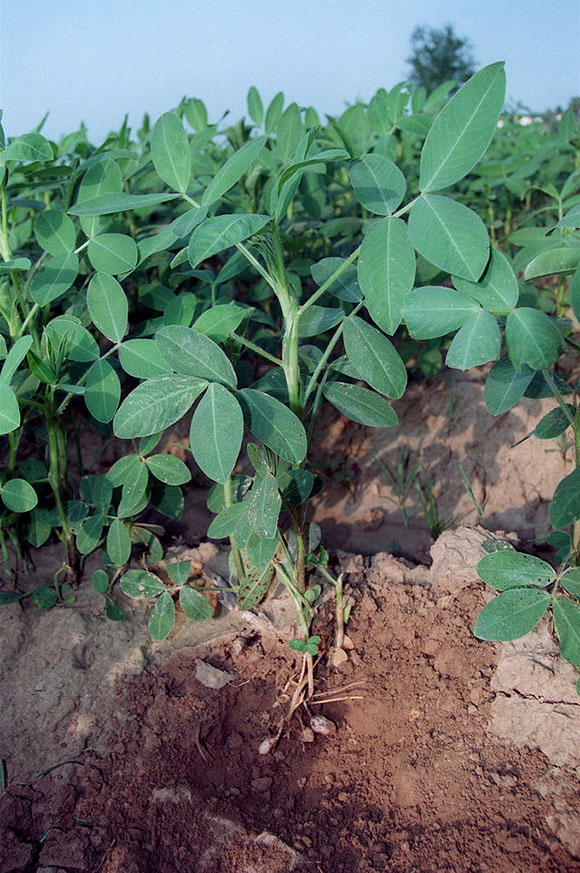
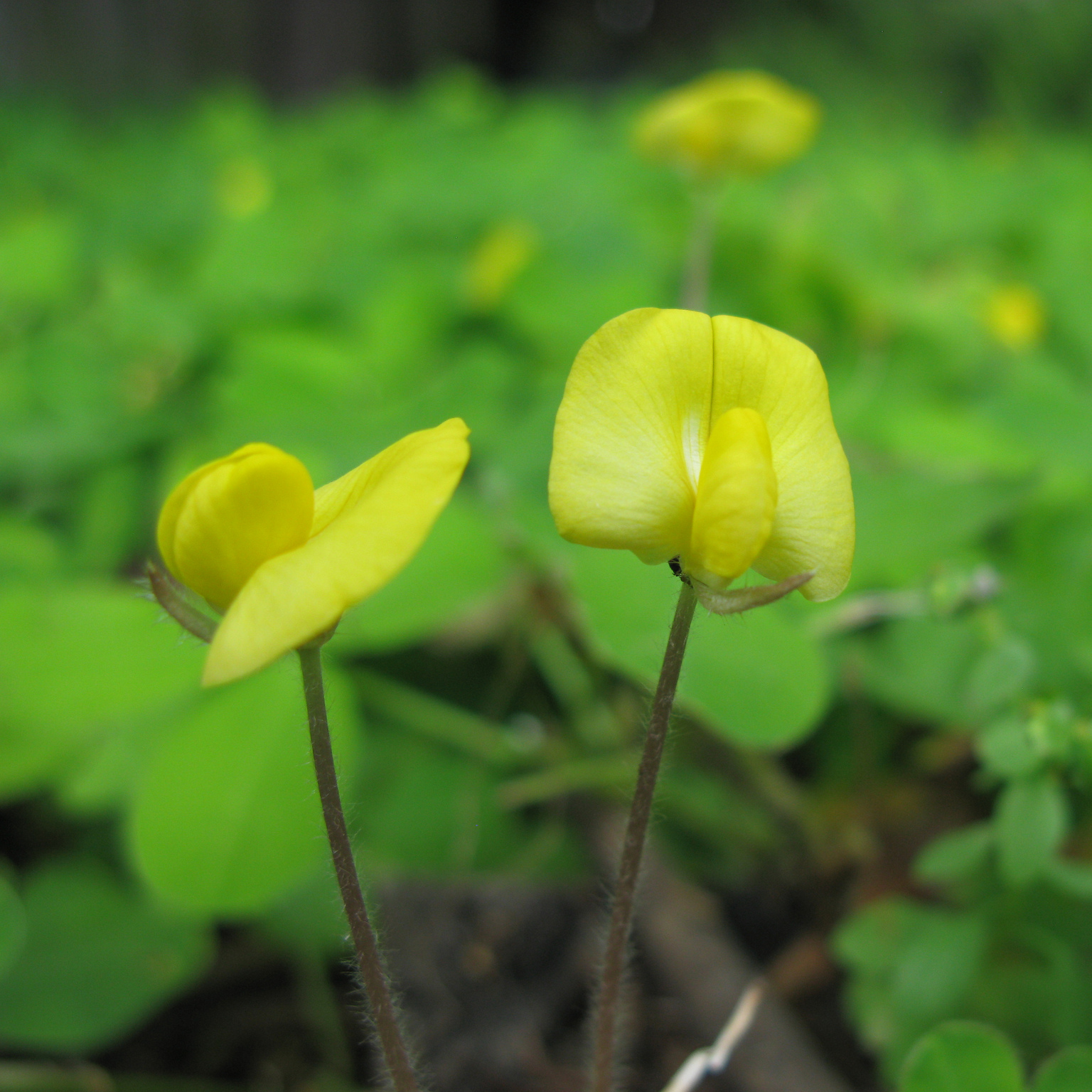
Peanut flower (Arachis sp.)
Throughout his storied career, he worked through the racism of the time toward a better life for all.